
Have you ever spotted an unusual insect, bird or wildflower and wondered what it was? Or perhaps you’ve taken a photograph of something you’d never seen before and wished you knew more about it?
The good news is that your wildlife sightings could be more valuable than you realise, and this is where RECORD comes in.
RECORD is the Local Environmental Records Centre for the Cheshire, Halton, Warrington and Wirral and a conservation charity within a national network of records centres. But just what is a Local Environmental Records Centre (LERC) and how can you get involved?
What do LERCs do?
The core role of a LERC is to collect, manage and share environmental data for a specific region, helping to support conservation.
Some of this data is habitat data (mapped information that tells us where important sites are and how they are protected), but a large proportion of this data is biological records. And the majority of these biological records come from people like you!
What is a biological record?
Don’t let the name put you off. A biological record is simply a wildlife observation.
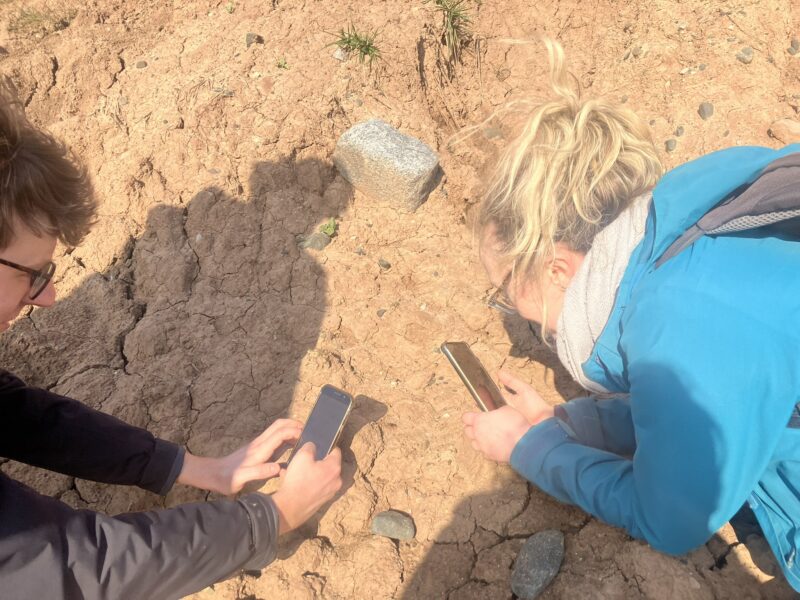
If you’ve ever seen a butterfly, heard a bird singing, photographed a wildflower or spotted animal tracks, you’re already halfway there to creating a biological record.
The second part is identifying what you’ve found and then, crucially, documenting and sharing this information.
The key points to document as you create your biological record are:
- What you’ve recorded (i.e. the species)
- Date
- Location (as precise as possible)
- Who you are
If possible, it’s also useful to include extra details such as:
- Sex (male or female)
- Life stage (adult, juvenile, egg, larva, flowering etc.)
- Type of record (seen, heard, identified from signs etc.)
If you’ve ever taken part in citizen science initiatives such as the Big Garden Birdwatch or Big Butterfly Count, it’s likely you’ve already created biological records without even knowing it!
These initiatives are great ways of gathering large amounts of data and allow scientists to identify national trends in species’ populations. But the beauty of biological recording is that it doesn’t have to happen during organised surveys.
RECORD’s database is built on ad hoc records, which can be gathered at any time throughout the year and at any location within our coverage area. Just document the key parts of the record as above and make sure the information is shared.
How should I share my biological records?
Once you’ve made a record, the most important thing is making sure it gets shared. Here are the main routes through which you can share data with RECORD:
- The RECORD website. We host a ‘Quick recording form’ which is perfect for sharing one-off sightings. We also have a system called ‘Swift’, where you can create an account and submit larger numbers of records.
- Email. Simply send your records to info@record-lrc.co.uk.
- iRecord. We periodically download and incorporate data recorded via the iRecord This free app is widely used by wildlife recorders and includes expert verification to help ensure records are accurate.
- This is another popular wildlife recording app. iNaturalist records which meet certain criteria are transferred to iRecord, where they can then be accessed by RECORD. However, some records cannot be used due to factors such as restricted licences, obscured locations or insufficient evidence.
So, which route to use? There isn’t really a single right answer. It depends on your own preferences, what you are recording, where you are etc. And it isn’t essential to stick to one tool – it’s perfectly acceptable to use the RECORD website for birds and iNaturalist for plants, as an example.
But do bear in mind a couple of factors:
- Try not to send in the same record through multiple routes.
- Before deciding, take some time to explore and try out different platforms.
- If you are using iNaturalist, there are a few easy steps you can take to maximise the chance of your records making their way to RECORD.
Why create and share biological records?
So why bother with all of this? Here are the top 3 reasons!
- Have fun! Being out in nature is immensely powerful for our own wellbeing, as is making a difference to the world around us. Biological recording allows us to do both at once, as every record helps us better understand nature and inform the measures needed to protect it.
- Contribute to local conservation and decision-making. Your records can give local wildlife a voice. RECORD provides information to ecologists, local authorities and conservation organisations. This means your records can help inform planning decisions, identify important wildlife sites, contribute to initiatives such as the Local Nature Recovery Strategy, and guide conservation work across the region.
- Contribute to national datasets and scientific research. Data from LERCs feeds into national assessments of how our wildlife is doing. This helps scientists to monitor species trends, identify conservation priorities and better understand changes in biodiversity. We also share data with universities, helping to support valuable scientific research.
Is there more to RECORD than just data?!
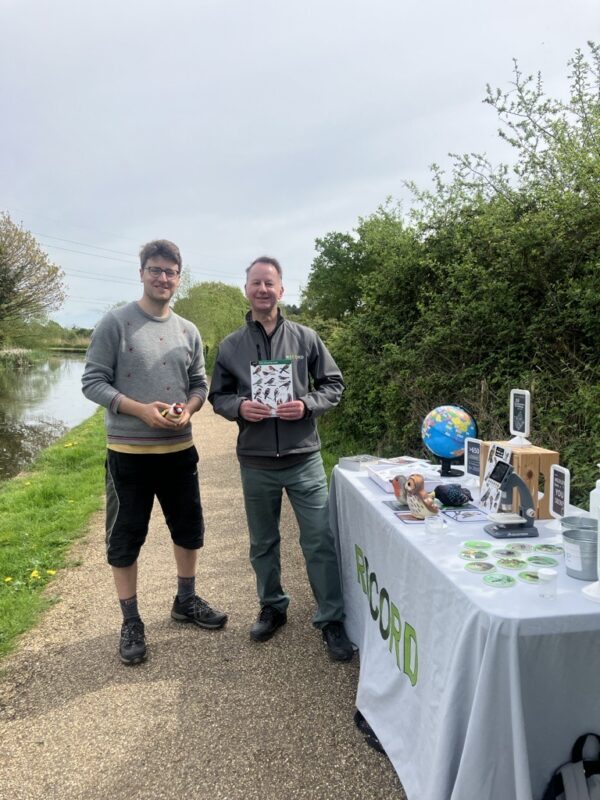
Yes! While our core purpose is to collect, manage and share information, RECORD is about much more than data and maps. Helping people discover, identify and record wildlife is a huge part of what we do. So please do…
- Get in touch: If you’ve photographed something you’re struggling to identify, send us the photo and we’ll try our best to help. We can also provide advice on the use of the different recording platforms discussed above.
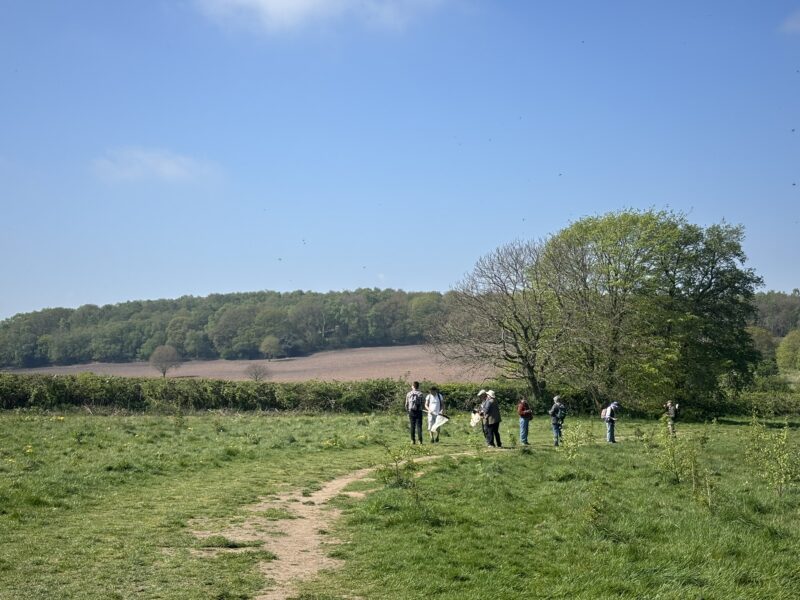
- Join us at events: Join one of our many workshops, talks or field recording events. Most are free to attend, and we welcome people of all experience levels.
And remember, every record counts. You don’t need to spot a rare butterfly or an unusual beetle to make a valuable contribution. Recording the birds on your daily walk, the bees visiting your garden, or the frogs in your pond all helps to build a clearer picture of the wildlife around us. Together, these observations provide vital information that supports conservation and helps protect nature for future generations.
To find out more about RECORD, biological recording and how you can get involved, take a look at our website and sign up to our mailing list.